Mostrando entradas con la etiqueta HIGH MIDDLE AGES. Mostrar todas las entradas

jueves, 9 de abril de 2020

UNIT 8. COTHIC ART AND CULTURE.

1. ORIGINS OF THE GOTHIC ART.

From the 12th century to the 15th there was a cultural revival due to:
       Economic growth
       Development of cities. 

1. 1. Cultural revival.

The growth of cities created a cultural revival due to:
       Increase in education. The bourgeoisie studied aritmethic, law, geography and writing to govern the cities and conduct bussines. As a consequence more literature, historical chronicles, philosophical works and treatises on geometry were written.
       Development of vernacular languages. The similarity between spoken and written language helped the cultural revival. 

1. 2. The first universities.

The desire to acquire knowledge led to the develpment of schools. Schools were controlled by bishops or the city councils.
Universities were schools created by teachers and students who did not want to teach and study under the control of these authorities. Furthemore, the monarchies founded many universities to bring prestige to their kingdoms.
Studying at university was expensive and took a long time.

1. 3. New role of the church.

The development of cities and the contrast between social classes created new religious needs:
       New religious orders appeared to:
  1. Maintain piety among the urban population (Dominicans).
  2. Help the urban poor and disadvantaged people in cities (Franciscans).
       The Pope wanted to achieve supremacy over the emperor.
Because of this, the Church built enormous buildings and beatiful works of art that reflected the Kingdom of Heaven promised to all good Christians.

2. GOTHIC ARCHITECTURE.

Gothic architecture appeared in the 12th century.

2. 1. New types of buildings.

Economic growth in cities led to the need of new type of buildings:
       Palaces for nobles and merchants.
       City halls for local governments.
       Marketplaces for merchants.
       Cathedrals which became the symbol of the cities.

2. 2. Architectural innovations.

Technical innovations allowed the construction of higher, brighter and more complex building:
       Pointed arches (arco apuntado) that were lighter.
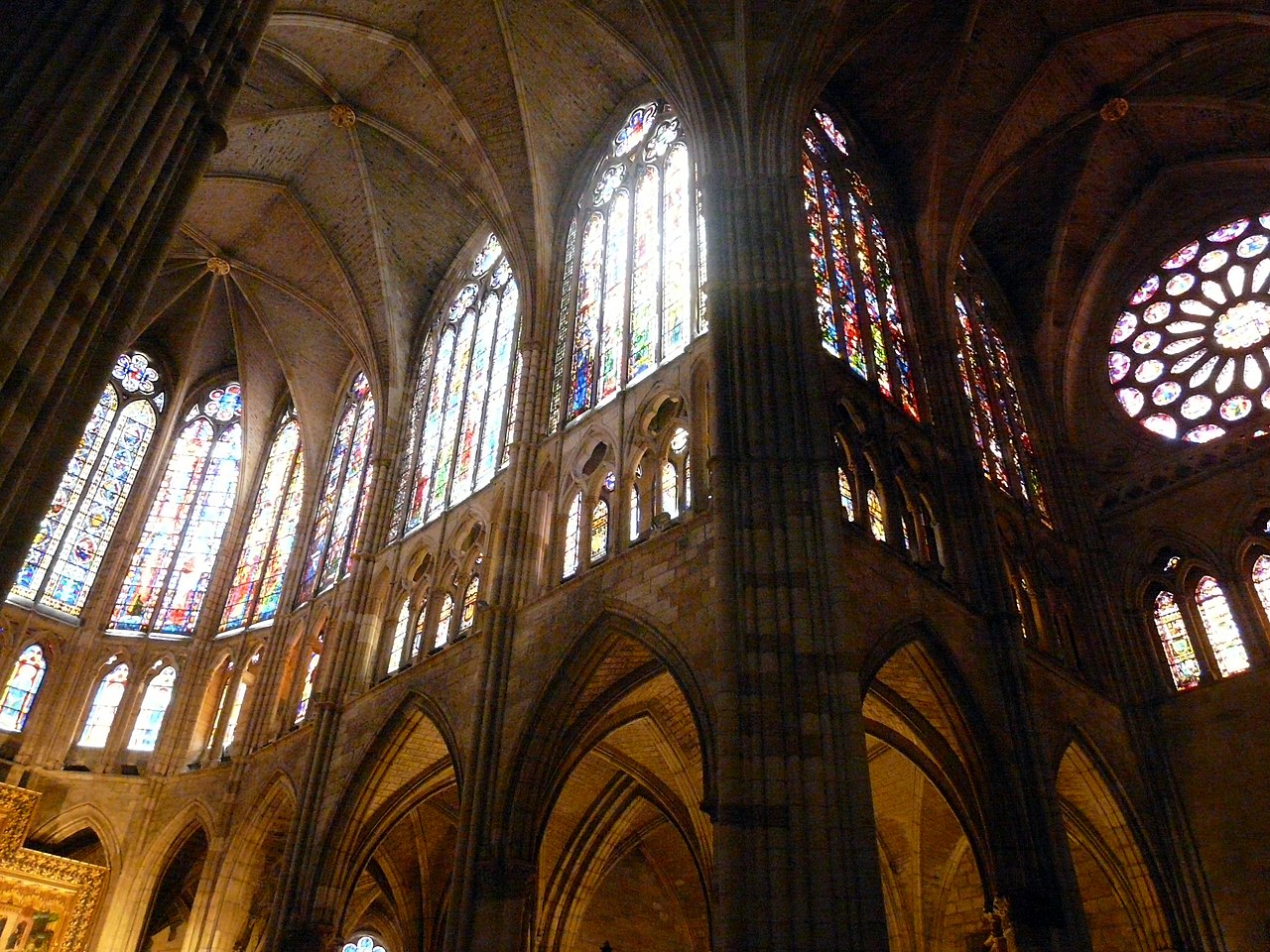
       Ribbed vaulting (boveda de cruceria), formed by the intesection of two pointed arches that were  supported by four columns. This make possible to replace the walls with stained glass and rose windows.
       Buttresses and flying buttresses (arbotante), which supported the the weight of the buidling.
       Pinnacles (pinaculos) on top of buttresses that gave a greater sense of height.
       Three doors that opened into the three interior naves. Every door had a tympannun and archivolts and was divided by a column called mullion (parteluz).
       Use of stained glass windows (vidrieras) and rose window (rosetón) aimed to create illuminated areas that produces an atmosphere of spirituality.


NEW TYPES OF BUILDINGS:


Castle of Gerald the Devil. Photo by Bas Bogaerts.©Stad Gent-Dienst Toerisme

City Hall, Brussels

Leuven City Hall (Ayuntamiento de Lovaina).


Cloth hall (lonja de paños) of Ypres.


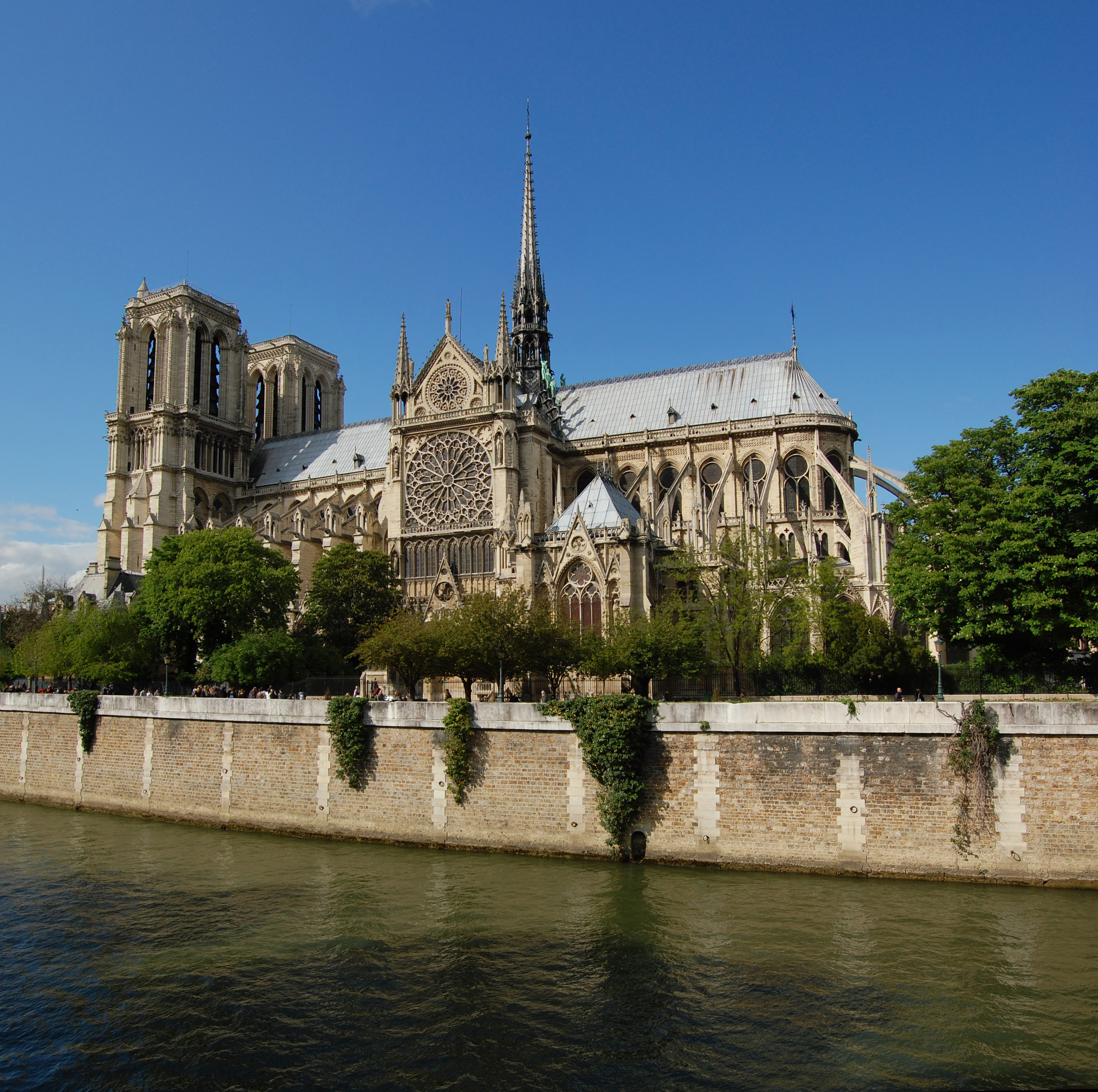
Notre Dame Cathedral. File:Notre_Dame_dalla_Senna.jpg Author: https://commons.wikimedia.org/wiki/User:Zuffe License: BY-SA 3.0


NEW ARCHITECTONICAL ELEMENTS:

Pointed arch (arco apuntado u ojival). File:Bolton_Abbey_7.jpg Author: https://commons.wikimedia.org/wiki/User:Dbenbenn Lincese: BY-SA 3.0


Ribbed vault (boveda de crucería). File:Catderal_de_Reims_-_Interior.JPG Author: Josep Renalias. License: BY-SA 3.0


Flying buttresses (arbotantes).


Pinnacles (pináculos).


Rose window, Estrasburg Cathedral.


Reims Cathedral.

Chartes Cathedral


A pointed arch can support a lot more weight than a rounded arch.


3. CONSTRUCTION OF A CATHEDRAL.

A cathedral is the main church ana seat of diocese, an area governed by a bishop.
The cathedrals became the symbols of the cities. Were built by municipal councils and founded by the bishop, the nobles, the king and the guilds of artisans ans merchants.
Cathedrals were built by many different kinds of woekers:
       Builders who construct the walls and vaults.
       Carpenters who make the roof and the doors.
       Stonemasons who cut the block of stone into pieces. They were organised in lodges (hermandades).
Gothic sculpture and painting was used to decorate the churches and convery religious messages, but also another subjects.


To build the cathedrals two types of stone elements were used:

Ashlars (sillares) are block of stone of different sizes for building walls, pillars, roofs, etc.

Voussoirs (dovelas) pieces of stone in arches, doors and windows.


4. GOTHIC SCULPTURE AND PAINTING.


4. 1.  Sculpture.


Sculptures were used as decoration on facades and cloisters, but altarpieces, sepulchres and portraits were also made.

The main diferences with the romanesque sculpture are:

       New types of sculptures appeared: altarpieces, sepulchres and freestanding sculptures with religious themes and portraits.

       Gothic sculpture was more realistic than the romanesque sculpture:

  1. Faces expressed fellings and depicted potraits of real people.
  2. Drapery gave shape to the body.
  3. Sculptures interacted with each other and were less rigid.
  4. The S curve of the body gave a sense of movment.

4. 2. Gothic painting.


Types of paintings:

       Fresco painting became less important because large windows replaced the walls in the crhuches.

       Panel painting become more common.

       Miniature painting was perfected.

The themes were mostly religious but also evereyday life, landscapes and cities.

Main characteristics:

       More realistic and naturalistic: bodies, faces and landscapes.

       Expression of emotion through gestures and faces.

       Realistic use of light and color.

4. 3. Techniques.:


       Tempera, a mixture of coloured pigments, water and egg yolk (clara). Fine brushstrokes and the paint dried quickly.

       Oil painting, coloured pigments combined with oil. Popularised by the flemish painters in the 15th century. Dries slowly, Allowing the mixing of colours, adding layers and make changes in the painting.
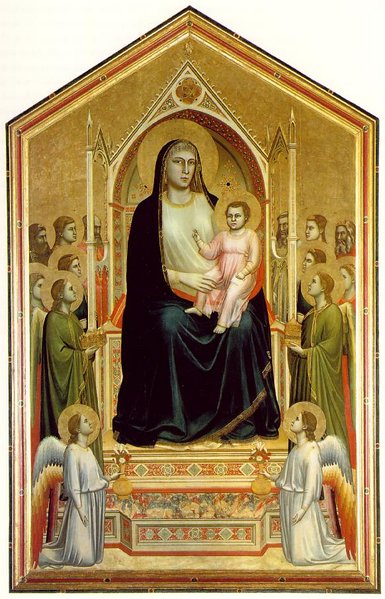

White Virgin, Toledo Cathedral.


5. GOTHIC ART IN THE IBERIAN PENINSULA: ARCHITECTURE.

The Gothic style entered in the Iberian Peninsula in the 13th century. It first apppeared in the north and later, in the south.

5. 1. Gothic architecture in Castile and Navarre.

In Castile and Navarre Gothic architecture was influenced by the French Style: great heigth, the use of external flying buttresses, large stained glass windows.
The best examples are the cathedrals of Burgos, León and Toledo.

5. 2. The Gothic architecture in Aragon.


Levantine Gothic characterised by:

       Often built with a single nave.

       The central and side nave were of equal height.

Buttresses less important than in Castile and smaller Windows.

5. 3. Painting.


Gothic painting followed the European trends. Frescos were replaced by altarpieces and panel paintings. The most important painters were in:

       In Aragon Perea and Jaume Serra, Bernat Martorell, Lluis Dalmau and Jaume Huguet.

       In Castile Nicolas Francés and Fernando Gallego.

5. 4. Sculpture.
Most of the works were altarpieces and free-standing sculptures. The most important sculptors were Gil de Siloe and Pere Joan.


jueves, 2 de enero de 2020

UNIT 6. CITIES IN MEDIEVAL EUROPE.

1. CITIES GROWTH.

From the 12th century, cities started to grow due to:
  • the end of the second invasions.
  • the introduction of new agricultural techniques.
  • the population growth.
  • the revival of trade.

1. 1. The end of the second invasions.

At the end of the 11th century the viking (Norman) invasions ended with the conquer of England and Normandy.
The apparition of the Truce of God, agreements to maintain peace and limit the wars between feudals.

1. 2. Agricultural growth.

From the 11th century there was an increase in agricultural productivity due to:
  • apparition of new cultivation methods, such as triennial rotation:
  1. only a third of the land was fallow
  2. use of manure as fertiliser.
  • new farming tools:
  1.  the mouldboard plough (arado de vertedera) which made deeper furrows and increased the soil's fertility.
  2. the use of horses
  3. uses of harnesses.
  • use of windmills and watermills which made grinding grain easier.
Farmers began to produce more crops than they could consume and sell surplus crops.

 1. 3. Population growth.

The increase in production causes a population growth. The european population grew from 45 million in the 12th century to 75 million in the 14th century.
Population growth caused a increase of the arable land:
  1. Peasants resettled old abandoned land.
  2. New lands were cleared.

 1. 4. Revival of trade.

The increase of production and populatin growth led to a revival of trade. As a consequence cities started to grow:
  • Apparition of new cities around castles and abbeys that surplus crops to sell and atracted merchants.
  •  Ancient smaller cities at a crossroads and ports where peasants exchanges their surplus crops and buy goods.
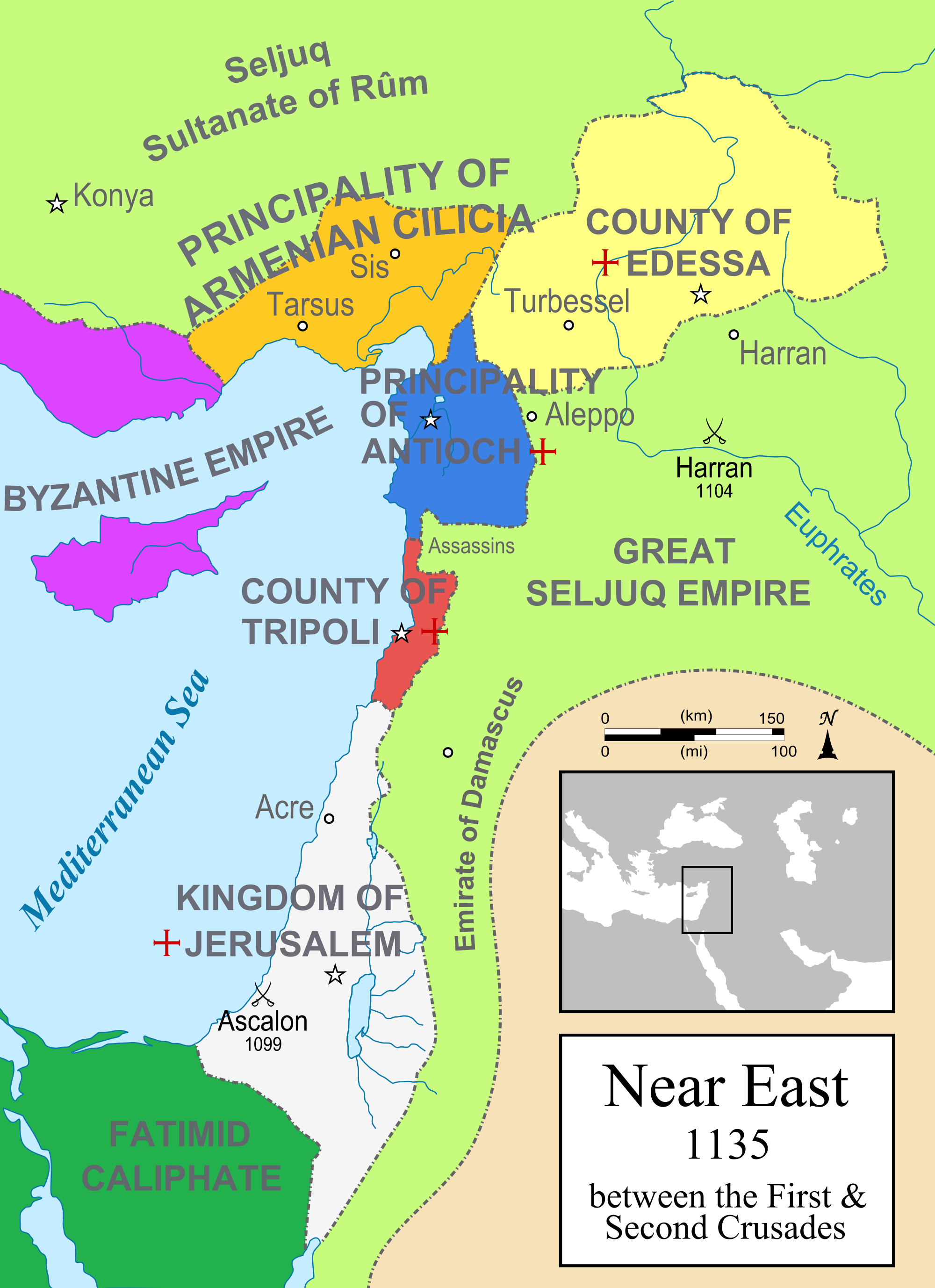
  • The Crusades that openned the trade with the eastern mediterranean.

1. 5. The Crusades.

The Crusades were several military campaings organised by the Pope in order to liberate Holy Land (Jerusalem) from the Turks that took place between the 11th and the 13th centuries.


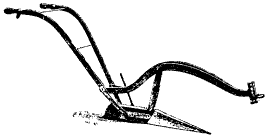
Roman plough. Far less eficient than the mouldboard plough.


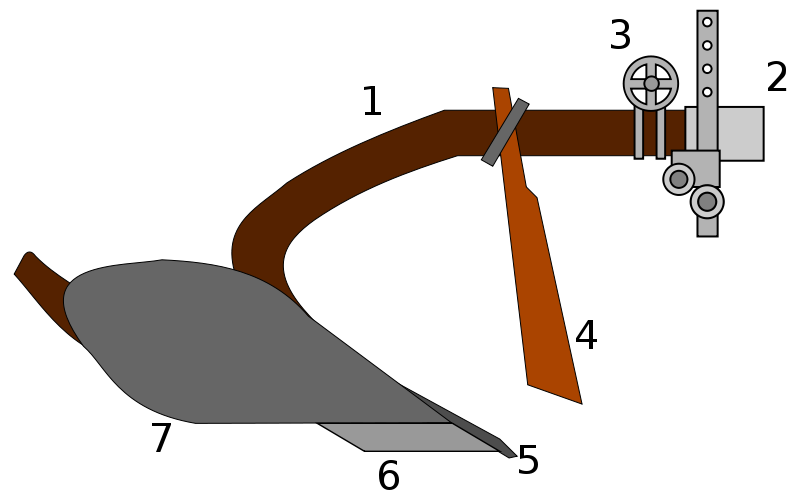
Mouldboard plough (arado de vertedera). Allowed to make a deeper furrow an increased greatly the soil's fertility.


The use of horses to plough increased greatly the crop production.

Windmill.


2. MEDIEVAL CITIES.

2. 1. Location.

Most of the medieval cities appeared due the following factors:
  • Appeared around fortress and next to the ancient roman roads (calzadas).
  • near good land for farming or grazing.
  • a plentiful water supply
  • forest to obtain wood.
  • quarries to obtain stone.

2. 2. Organization.

  • In the center of the city there was a large square surrounded by the town hall, he marketplace and the cathedral. Also there were hospitals, schools and religious buildings.
  • Nobles lived in teh centre of the city in luxurious palaces, the rest of the peope lived in neihbourhoods depending on the origin (judería, morería) or trade (guilds).
  •  Streets were narrow and dirty. There were no sewers and poor urban hygiene led to the spread of disease.

An example of medieval city, Carcassone.


 Middle Ages: the town. BBC.


3. SOCIAL GROUPS.

3. 1. The bourgeoisie.

The growth of cities transformed the feudal society. Medieval cities were territories outside the feudal system and their inhabitants were free and not subject to a lord.
A new social group appeared, the bourgeoisie, whose wealth came from the sale of their products and profits generated by their businesses.We can distinguish two groups:
  • high bourgeoisie (merchants and bankers).
  • petty bourgeoisie (artisans and traders).

  3. 2. Other social groups.

  • Nobility and clergy, they lived in palaces and convents.
  • Ordinary people, such as artisans, servants and beggars.
  • Jews were a minority and lived in separate neighbourhoods.

3. 3. The city goverment.

The cities were ruled by magistrates chosen by the citizens. The magistrates were led by a major that was in charge of the finances, order and justice.
Over time, cities were ruled by the richest families of merchants and bankers, the urban paticians.

3. 4. The jews.

  The Jewish presence in Europe started with the expulsion of the jews from Palestine by the romans in 135AD. In medieval Europe, Jews worked as artisans, traders, bankers and in medicine and science. They were persecuted, although there were periods of tolerance:
  • Jews had to wear clothes that distinguised them from Christians.
  • live in separate neighbourhoods, called Jewish quarters or juderias.
  • The synagogue was the jewish place of worship, where the rabbi or spiritual leader interprets the Torah, the holy book of the jews. 


 4. MARKET DAY IN A MEDIEVAL CITY.

 Medieval cities were centres of exchange: farmers exchanges their agricultural products for goods mafe by artisans.

4. 1. Artisans and guilds.

The artisans were organised in guilds. A guild is an association of artisans who made the same products with the goal of protect themselves from the competition of artisans from other cities. The functions of the guilds were:
  • control the quality and price of the products.
  • force the artisans to work the same hours and use the same kind of tools.
  • guarantee that only authorised artisans work in the cities.
 Guilds organised the artisans in several categories:
  • apprentices, an artisan of young age that is learning a trade working in the workshop of a master.
  • artisans that works in the workshop of a master.
  • master artisan, an artisan that has establish his own workshop after pass an exam of the guild.

4. 2. Market day.

Market days in medieval cities attracted  many people:
  • peasants who sold agricultural and livestock products and buy goods (clothes, shoes, scissors).
  • merchants sold products difficult to find in the cities like salt and bought agricultural and artisan products.
  • Musicians and acrobats came to entertain the crowd.


5. COMMERCIAL EXPANSION.

From the 12th century, great fairs started to appear. A trade fair was a large market held periodically in which large quantities of products were bought and sold. The causes were:
  • travelling became safer.
  • new roads were built.
  • cities, monarchs, and lords created laws to protect the merchants.
The mos important were held in Champagne (France).

5. 2. Long distance sea routes.

 Maritime trade became more important due to the increased capacity and speed of the ships.
The main maritime routes were:
  • The Mediterranean route which connected
  1. Venice, Genoa, Marseille, Barcelona and Valencia (textiles, weapons and tools).
  2.  Middle East and the Byzantine Empire (silk and spices).
  • The Atlantic and Baltic (Hansa) route in which products from Lisbon and the ports of the Bay of Biscay and the Baltic Sea were exchanged on Flanders (Bruges, Ghent, etc).

 5. 3. The circulation of money.

  The restauration of trade made necessary the circulation of money:
  • Many cities began producing their own gold, silver and alloy coins.
  • Moneychangers appeared to allow merchants to change the currency of their money.
  • Individuals and societies (bankers) started to lend money with interest.
  • Bill of exchange appeared. A bill of change (letra de cambio) is a written document that orders a organization to pay a particular sum of money to a person at a particular place or time.


6. EUROPE IN THE HIGH AND LATE MIDDLE AGES.

During the 13th century, the monarchies became more powerful with the help of the bourgeoisie.
However, the crisis of the Late Middle Ages led to wars between the European monarchs.

6. 1. The strengthening of royal power.

From the 12th century, the monarchs managed to impose their authority on the feudal nobility and give stability to their territories. In order to do this they need the support of the bourgeoisie:
  • the kings gave the bourgeoisie:
  1. letters of privilege that freed them from the control of the lords and allowed them to govern their cities.
  2. a monopoly on bussiness.
  3. a guaranty to be able to travel freely and safely to conduct trade.
  •  the bourgeoisie gave the monarchs economic resources to impose their authority.

6. 2. The Cortes and parliament.

The Royal Council started to include representatives of the bourgeoisie and became the Cortes (parliament).
The king used the Cortes to obtain financial support (subsidies) from the bourgeoisie an in return listen to their demans and sometimes agree to them.

6. 3. The Late Middle Ages Crisis.

  • Started at the beginning of the 14th century with an agricultural crisis due to:
  1. population growth that resulted in the cultivation of low quality land.
  2. climate change led to several bad harvests.
  •  Population decline due to:
  1. Widespread famine.
  2. Black Death.
  • Economic crisis due to:
  1.  decline of artisan and commercial production.
  2. rise of prices
  3. increase of taxes.
  •  Conflicts:
  1. Wars betwen European monarchies.
  2. Civil wars between the nobility and the monarchy.
  3. Peasant and urban revolts.
The main consequence was a widespread crisis of the feudal system that marked the end of the Middle Ages.

6. 4. The Hundred Year's War.

Chronology: 1337-1453.
Causes: the death without a son of of the French king, Charles IV and the claim of Edward III
The English occupied a large part of France, but were defeated by Charles VII and lost of their territories in France, except the city of Calais.
Consequences:
  • Triumph of the idea of a monarchy tied to a national territory.
  • End of the feudal monarchy. 


7. THE BLACK DEATH.

7. 1. The Black Death.

The Black Death was an infectious disease caused by bacteria and transmited to humans from fleas that lived on infected rats. It came from Asia and reached Europe in 1348 by Genoese ships.

Its spread was unstoppable and had no cure. The only way to halt its advance was to isolate the sick and burning their belongings.

7. 2. Consequences.

Depoulation.

  • It is estimated that between a 30 and 40% of the European population died, reducing the population from 73 to 45 million.
  • Many lands were abandoned.

Social crisis.

Depopulation reduced the income of the feudal lords because there were fewer serfs. The lords raised the taxes paid by the peasants and recovered obsolete feudal rights.
The peasants rebelled violently against the lords and in the cities, ordinary people rose up against the urban patricians.

Religious crisis.

 The people in Europe saw the epidemic as a divine punishment for the sins of the people and the corruption of the Church. Because of this, a new religious fervour erupted and a movement to reform the Chruch began.